 If you’re considering Invisalign to straighten your teeth, you might be wondering if you can get it without seeing an orthodontist. While some companies offer mail-in orthodontic services, it’s important to choose a licensed orthodontist for your treatment. Keep reading to learn more from Dr. Christopher Murphy at Southern Maine Orthodontics about the benefits of getting Invisalign Treatment from an Orthodontist.
Expertise and Training
Orthodontists are highly trained professionals who specialize in diagnosing and treating issues with teeth and jaws. They have completed dental school, a specialized master’s program, and a residency in orthodontics. They also participate in ongoing education to stay up-to-date on the latest techniques and technologies.
In contrast, mail-in orthodontic companies may lack the same level of expertise and training. While they may use technology to create clear aligners, they may not have the knowledge to diagnose underlying issues with your bite or teeth.
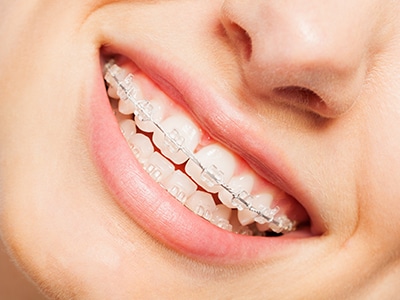 Orthodontics is a constantly evolving field that sees advancements in technology and practices regularly. As a patient, it’s important to stay up to date on what’s new in orthodontics and how these changes can benefit you.
  If you’re considering
 Exciting news is sweeping through the community as
  Pregnancy is a time of great change in a woman’s body, and oral health is no exception. While it may not be the first thing on your mind, your dental health is critical for a healthy pregnancy for both you and your baby. Hormonal changes during pregnancy can cause chemical imbalances throughout your body, leading to changes in vitamin and mineral levels. In this post, we’ll cover what you need to know about oral health during pregnancy, including how pregnancy affects your gums, whether pregnancy causes tooth decay, and what vitamins you need more of from
  Speech development is a critical aspect of a child’s growth and development. Communication is an essential skill that impacts academic and social success. However, speech impairments can affect a child’s ability to communicate effectively and can result in frustration, anxiety, and isolation.